

Creating Character
My complete and simple guide to breaking down A character.
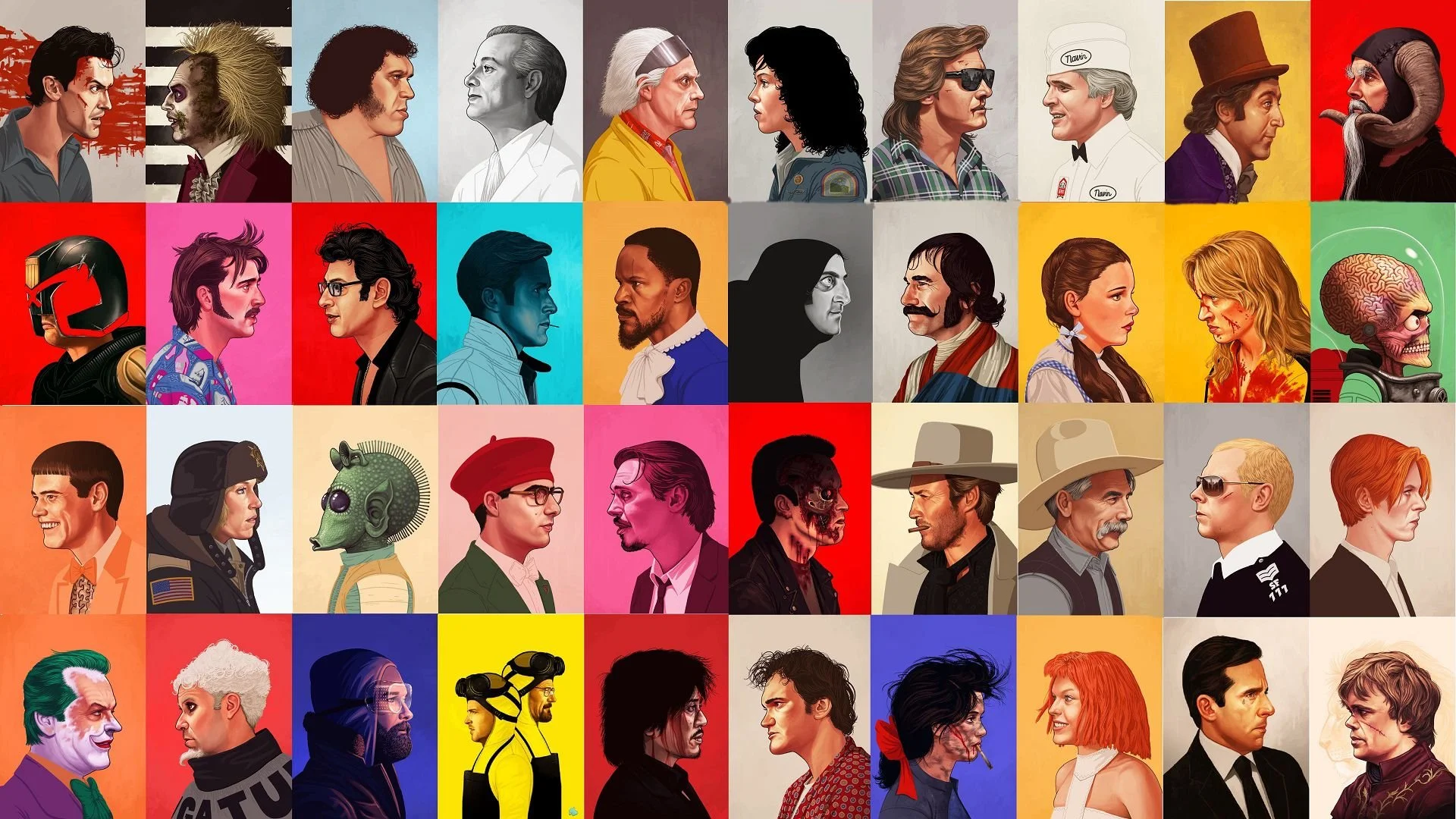
image from wallpapercave.com
The first and arguably most important step in making a movie is developing your character. Your protagonist doesn’t have to be a good person or even particularly likable. They might be an antihero. Regardless of whether your character is twisted like Walter White or innocent like Hal (Some of Cranston's finest work, might I add), the audience must want to root for them. If not, they will lose interest and change the channel. Developing characters isn’t easy. You are creating a living, breathing human being from scratch with a complex history as detailed and layered as your own. They have their own history, thoughts, beliefs, and contradictions that may not align with your own. Here are my steps to creating a well-developed character. This isn’t a perfect formula; add, remove, rearrange whatever works for you. Think of it as a starting point.
Step 1: Time & Place
The first step in creating a character is discovering the world they live in. If you are working with a script, some of this information may already be present. Some of it won’t be; that’s when you become a detective and look for clues that give you hints to where it could be. Anything that is not in the script is up to YOUR interpretation, but a good character should make sense in their environment. Answer These Questions:
1. Where does the story take place? City, State, Country2. What year does the story take place in?
Step 2: The Basics
Now that you know when and where this story takes place. You must decide who this character is. Create a basic outline of who they are. We start here and later add the meat that gives them dimension. Right now, the character is still 2-Dimensional. Answer These Questions:
1. What is their full name?
2. How old are they?
3. What's their exact birthday Month, Day, and Year?
4. What is their sexual orientation?
5. What gender do they identify with?
6. What is their nationality?
7. What is their ethnicity?
Step 3: Physical Traits
Once you decide the basics, it’s time to picture your character. What do they look like? Having a picture in your head will help you discover who they are. Remember, certain traits can impact your daily lives; that is why this step is important. Decide what traits are important to note and dictate your character, and what traits are approximations that could be adjusted down the line. This will help you with casting later on, but that’s not our focus right now. Answer These Questions:
1. What is their approximate height?
2. What is their build? Small or Big? Thin or Muscular?
3. What is their Complexion? Are they average, ugly, or pretty?
4. Do they have any distinct features that set them apart? A birthmark, freckles, or amputation?
Step 4: Values
This is where you provide a moral compass for your character. Values dictate a character’s decisions and actions. Character’s decisions should reflect their values, decisions made using your core values drive the narrative forward in a clear and sensical way.Answer These Questions:
1. What do they value?
2. What do they believe in? God, Mother Nature, the universe?
3. What values did they gather from their parents?
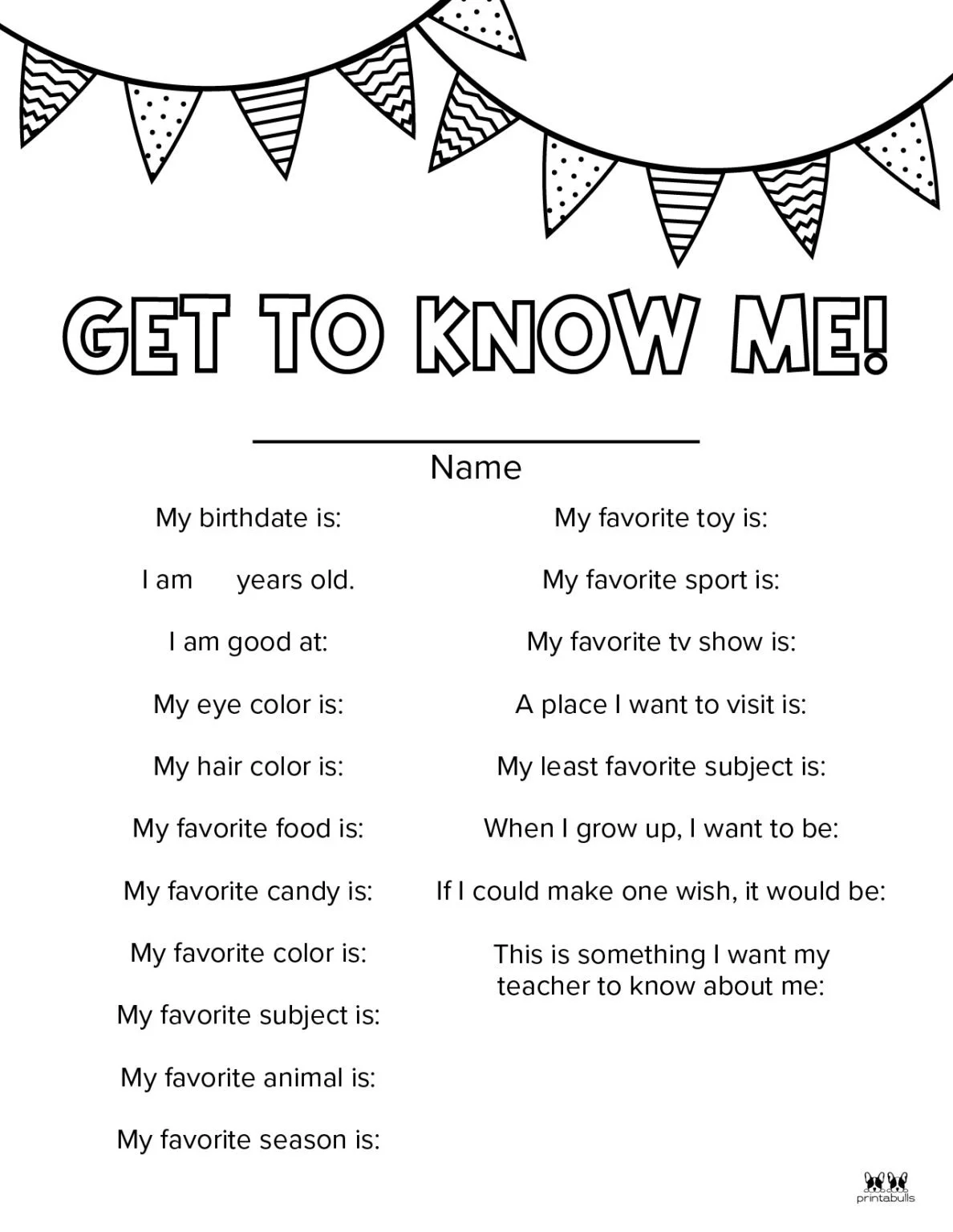
If you need Help, Try filling out some kids’ “All About Me” Worksheets!
Step 5: Personality traits
Now you know what they look like but what are they like? What’s their personality?
You can start with some basic adjectives: funny, kind, smart. But that’s not going to cut it here. I want to know details, be more specific
Answer These Questions:
1. What do they love?
2. What do they hate?
3. What are their greatest fears?
4. What do they want most in life?
5. What is their intelligence level?
6. What level of education did they receive?
Conclusion
Creating a character is a long process that requires thorough thought and examination. Character Breakdowns can stretch on for pages upon pages, and there is no cookie-cutter formula to get there. You can write in paragraphs or bullet points, whatever works for you, but regardless, the information should be written on the page. The work you put in now will serve you endlessly down the line. It will shape the direction you give your actors, the emotional truth you pull from them, and the clarity with which you guide your story. I hope you found this guide helpful and can use it in your next project!